FASHION IN ELIZABETHAN ERA

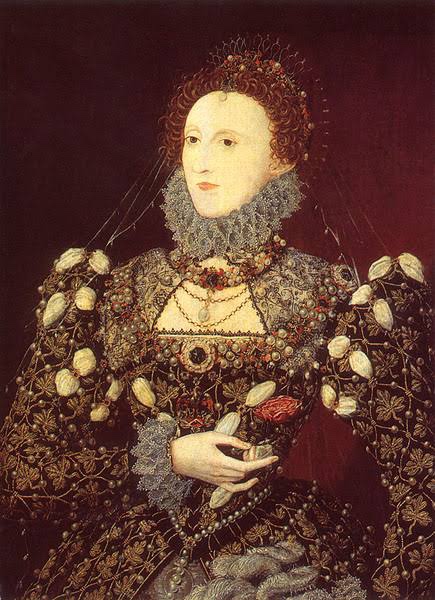
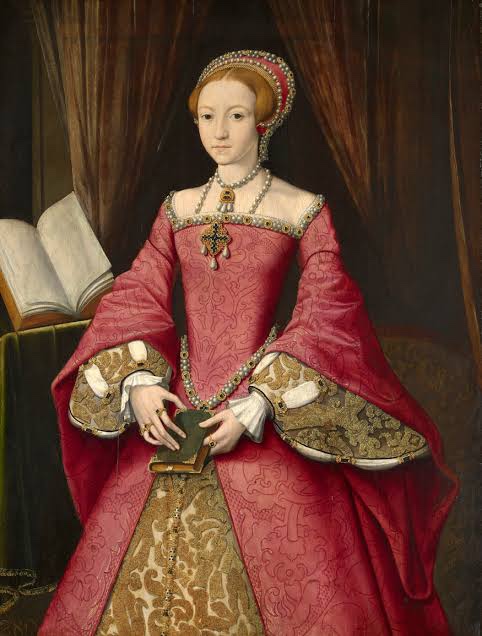
Clothes in the Elizabethan era (1558-1603 CE) became much more colourful, elaborate, and flamboyant than in previous periods. With Elizabeth 1 of england 1558-1603 CE herself being a dedicated follower of fashion, so, too, her court and nobles followed suit. Clothing was an important indicator of status so that those who could afford it were careful to wear the correct colours, materials, and latest fashions from Continental europe. Heavy brocade, stockings, tight-fitting doublets, long billowing dresses embellished with pearls and jewels, knee-length trousers, stiff linen collars or ruffs, and feathered hats were all staple elements of the wardrobes of the well off. The commoners, meanwhile, attempted to follow the new designs as best they could using cheaper materials, but those who tried to dress beyond their station had to beware the authorities did not fine them and confiscate the offending item.

The pictorial record for the Elizabethan period is, fortunately, a very rich one in terms of portraits and so for the higher classes we have ample information on the type of clothing worn, at least on special occasions.
The Cloth Trade

The increasing population of England in the 16th century CE stimulated a corresponding growth in the cloth and clothing industries. Wool was the main material and there were four sheep for every person in England in the 1550s CE. At the same time, an increased contact with northern Europe saw new ideas and fashions spread, creating a demand for brighter colours and lighter materials. Unworked and undyed cloth was England’s most important export, especially to Antwerp. However, inflation and disruptions to international trade caused by the Anglo-Spanish war led to a decline in the second half of the 16th century CE.

The manufacture of clothing for the domestic market became more sophisticated with a greater use of small machines to help in some stages of the process. These included the Dutch loom and stocking-frame knitting machine. The once staple wool, felt, and worsted clothing was now supplemented with lighter fabrics – especially cotton, linen and sometimes while even the traditional materials became finer in quality and texture. Yarnspinners, weavers and dyers all worked independently and usually in their own homes. There were, as yet, no factories, even if workers were semi-professionals and many diverse households might produce for a single large-scale dealer, known as a clothier.As the Elizabethan period wore on, regions like East Anglia and Kent saw the arrival of immigrants with cloth-manufacturing skills, which greatly increased the quality of local production. Hybrid fabrics lighter than the traditional English ones were produced which created new demand and, because they wore out quicker, increased sales in the longterm. The new varieties of cloth or ‘new draperies’ went under many names such as bays, says, serges, perpetuanas, shaloons.

Men’s Clothes
credits:google

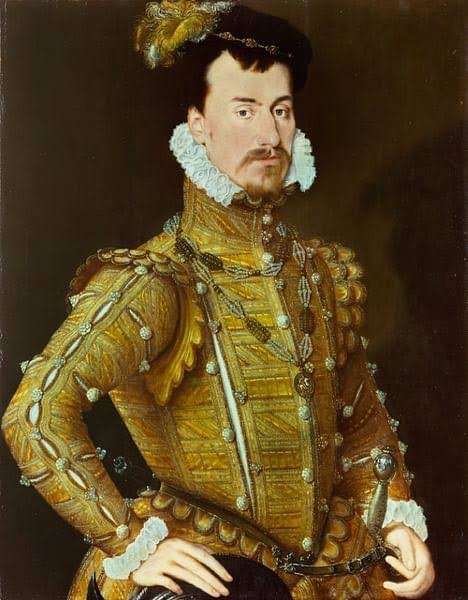
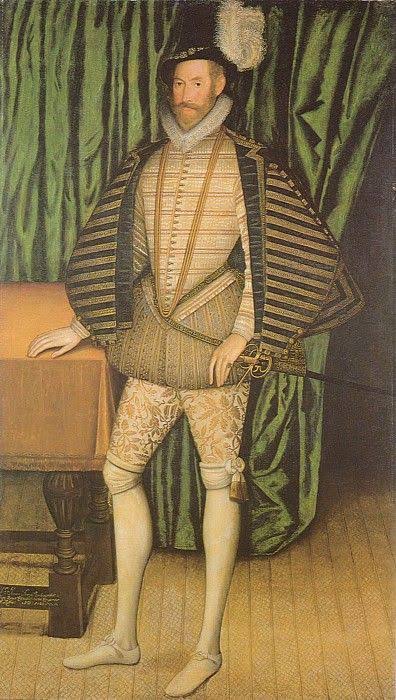
For men, linen underclothes (shirt and long shorts) were often embroidered and given lace decoration. Outer clothing was made of all the materials mentioned above. Additional options worn only by the aristocracy because of their expense included velvet, damask (an elaborately woven fabric of diverse material), and silk. Trousers were knee-length (‘Venetian breeches’) or thigh-length (trunkhose), and were often billowed out over the upper thighs and hips; later versions had pockets. Trousers often featured a codpiece which was a padded covering of the crotch. Sometimes of impressive proportio

The most common upper garment for men was the doublet, a short, stiff, tight-fitting jacket which was made of wool, leather, or thick fabric. Just as today, minor changes became a sign of fashion such as the lower hem of the doublet, which started off straight but then developed into a deep V-form pointing downwards at the front. A curiosity of some doublets was the peascod – extra padding over the abdomen to imitate armour but which ended up making the wearer look as if he was strutting like a peacock. Such padding, known as ‘bombast’, consisted of wool, cotton or horsehair and was used in other areas to create fashionable shapes to outer clothing. Detachable collars and cuffs were highly fashionable too and were made from stiffened linen or lace. As the century wore on the ruffs became ever-more outlandish and required wire supports.

Leather was popular for some outer garments, belts, gloves, hats, and shoes. Leather was sometimes made more decorative by tooling it. Shoes for men were typically square-toed and without a noticeable heel. Earlier types of footwear were slip-on, but laces and buckles came into fashion by the end of Elizabeth’s reign. Courtiers often wore fancy slipper-like shoes made from silk or velvet. Leather boots were worn when riding.
credits:google

Women’s Clothes 

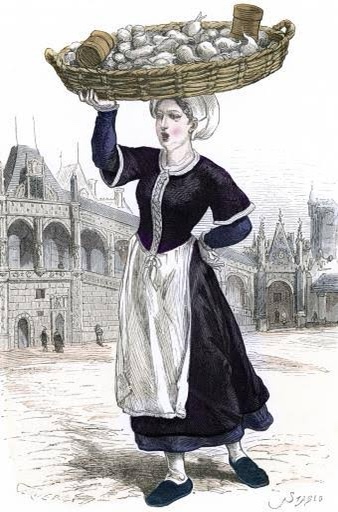
Aristocratic women often wore long dresses which had not changed very much since the Middle Ages. The kirtle dress was fitted and very long so that the feet of the wearer were almost hidden. On top of this other garments were worn. Skirts were free-flowing early in Elizabeth’s reign, but there then developed a fashion for rigid skirts in the shape of a bell or cylinder. These forms were created by a series of hoops inside the material or in an undergarment. This latter construction was known as a wheeled farthingale and it had a padded roll around the waistline to push the exterior garment outwards so that the material of the dress then fell perpendicular.
credits:google

An alternative to the kirtle was wearing a series of light skirts (petticoats) combined with a bodice which was usually a stiff garment made from wool and which emphasised a narrow waistline. Bodices gave support to or even constricted the upper body. They were given rigidity by inserting thin pieces of whalebone, wood or metal. Finer bodices were closed using buttons or hooks. Sometimes a reinforcing piece of wood called a ‘busk’ was inserted at the front of the bodice and held in position using a ribbon in the centre of the chest The bodice could be fastened at the front, side or back. As with the hemlines of men’s waistcoats, the neckline of women’s bodices varied in cut. In the mid-16th century CE, the cut was low, then rose over time and finally became low-cut again by the end of the century. Aristocratic women wore sleeves to their bodice if it were worn as an outer garment.

A third alternative was to wear a gown which was essentially a skirt and bodice attached together and worn over undergarments. These were the most extravagant of the Elizabethan garments and were typically worn with false sleeves and decorated with pearls, jewels and gold brocade.

Controlling Fashion

Elizabeth was the last monarch to impose sumptuary laws (notably in 1559 and 1597 CE) to curb extravagant spending on clothing and ensure the elite remained the only ones with the finest clothes. There was genuine concern that young men, in particular, outspent their inheritances in trying to keep up with the fashions set by the richer members of society. Consequently, there were strict rules on who could wear certain types of clothes, certain materials, and certain colours. There were other reasons to limit dress such as the religious views of Protestantism that called for more austere clothing, and the fact that finer and more dazzling clothes typically came from abroad and so hurt the sales of plainer home production.

Examples of restrictions included only earls or higher ranks being able to wear gold cloth. Only royalty could wear purple and only peers and their relations could wear wool garments made abroad. Servants of anyone lower than a gentleman could not wear fur of any kind, and commoners were banned from wearing stockings made from material costing more than a certain price per yard. Anyone caught breaking these sumptuary laws risked various degrees of fines and having the article of clothing confiscated. The fact that such fines were in place illustrates, though, that many Elizabethans of all classes were willing to pay any price to wear the finest fashions of the day
credits:google

by : Mokshita
ONLINE SHOPPING IN PANDEMIC

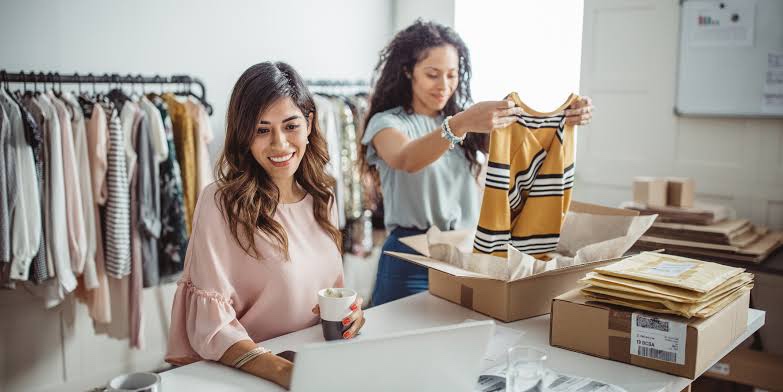
Over the last few years, there has been a huge transformation in retail. In relation to online platforms increasing their retail footprints, “last mile” suppliers, and checkout-free stores, the substantial limits imposed by COVID-19 offered a platform for large-scale experimentation. Brands and retailers were compelled to adapt to the new realities of what it meant to shop. And customers quickly adapted to – and capitalized on – internet buying. According to the US Census Bureau, eCommerce increased by 37% in Q4 2020 compared to the same quarter the previous year.

When the pandemic struck the world, no one was prepared, and lockdowns were imposed abruptly. Our world was transformed overnight as a result of this. People were obliged to stay at home, and business operations were curtailed or ceased. With all of these changes, there have been numerous changes in online buying habits as well. This is what we’ll go over in today’s article to help you better understand how the pandemic changed the world of shopping.

credits:google

Several things that have changed in online shopping during the COVID-19 Epidemic

• Product engagement and essential goods

After the rush subsided and customers grew accustomed to their new “normal,” new habits began to emerge in late April. While consumer activity has decreased since the peak, it has remained greater than in prior years.

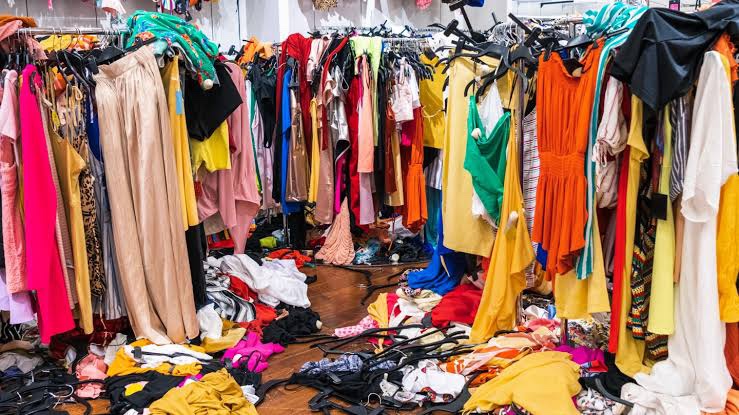
Shoppers began to spend more time engaging with product pages online rather than just clicking the “Add to Cart” button.The epidemic has also aided in the classification of essential commodities. Clothing, for example, has become less relevant as more people work and learn from home. This trend has also been influenced by social isolation as a result of government shutdowns. Food, alcohol, and home improvement materials, on the other hand, increased by 12%, 16%, and 14%, respectively.

The pandemic has had an impact on our food patterns as well. Home cooking grew more popular and, in many circumstances, more cost-effective when enterprises were forced to close. Despite the fact that more people are eating out (both indoors and outdoors), it appears that home cooking is also on the menu.

•New platforms for online shopping

Several years ago many businesses didn’t even have a website as they didn’t feel the need to create one. All the business could be done and all the questions could be covered in one place – a shop itself. Nowadays, your business will simply not survive unless you have a decent online presence. 

There are multiple online platforms to sell and buy, even to exchange or give away for free. In addition to such reputable and well-known platforms as Amazon and Wish, there are some sites that are not so well-secured and trusted. People also choose to shop directly from other people, for example, using such sites as Craigslist. Unfortunately, because of that many scammers have shifted into the world of online shopping. New scams have appeared and some people lose a lot of money because they are not cautious enough while buying items online. There are a lot of things you can do to protect yourself though

credits:google

•Convenience is more important than ever

With much more corporate companies working under tight budgets, same-day delivery and curbside pickup have become standard features for most online shoppers. In fact, global searches for “along my route” grew by 1,000% during the year, while searches for “curbside pickup” increased by 3,000%

•Dynamic demand is trending

The epidemic altered our way of life, causing a dynamic shift in what people seek. Google has witnessed an increase in the number of search phrases connected with goods such as “breadmaker,” “mesh wifi,” and “hammock withstands” to help people discover pleasure and create new hobbies while they are stranded at home.

credits:google

Our careers were influenced and transformed by the Pandemic, and some of those changes appear to be permanent. The world will not return to normal rather, it will evolve into a new normal. One thing is clear when it comes to purchasing: geography is no longer a constraint. E-commerce and contactless payments are becoming more and more common.

by mokshita
THE LEGACY OF COCO CHANEL

credits:google

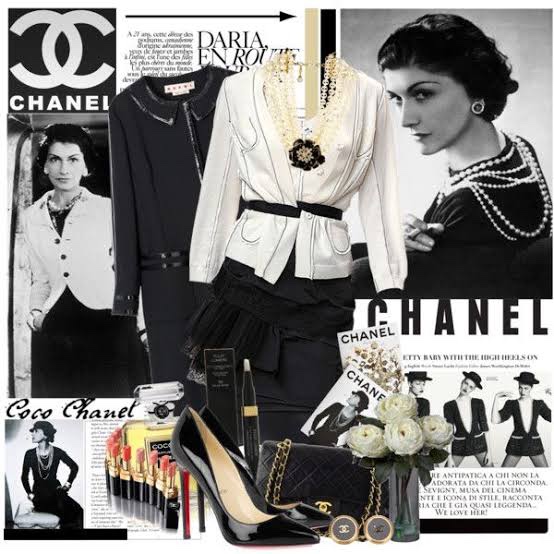
Legendary fashion designer Coco Chanel is often credited with reinventing “the modern woman.” Through bringing simplicity, elegance and comfort to women’s wardrobes, she freed them from the constrictive clothing reflective of women’s social status and created a new image of femininity.

The Boss Lady Behind the Design

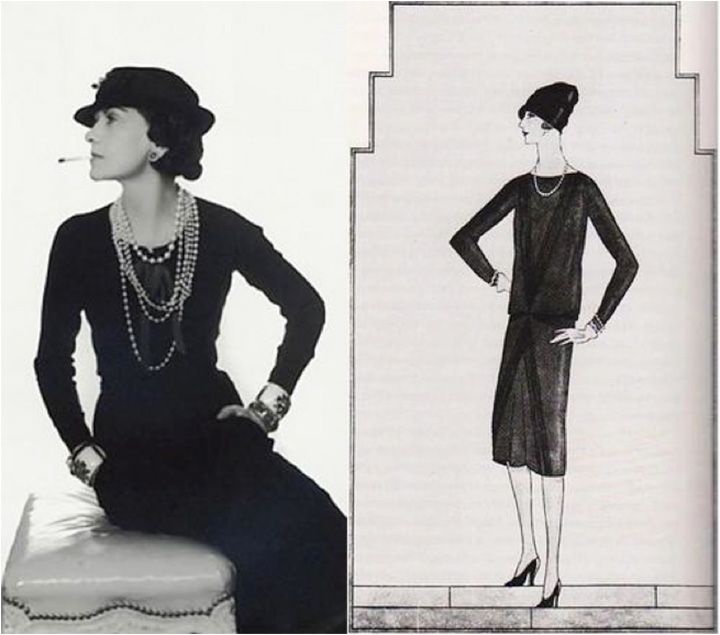
While many know the iconic designs synonymous with the Chanel name, few know the story of the boss lady behind them. Unsurprisingly, Coco Chanel lived a fascinating and polarizing life. She once said, “My life didn’t please me, so I created my life.”The style icon’s early life could not be farther from her legacy of luxury. Gabrielle Bonheur Chanel was born in France in 1883 and first learned to sew from the nuns in the orphanage where she spent most of her childhood. In 1915— just five years after Chanel opened her first boutique— Harper’s Bazaar wrote, “The woman who hasn’t at least one Chanel is hopelessly out of fashion.In1926, Chanel released what Vogue would come to describe as the “frock that the world will wear.” The shift-style calf-length, drop-waist black dress is considered the first iteration of the LBD. Through her elegant touch, Chanel took the style from funeral to front-page fashion. Chic and simple, the LBD was an instant classic.

As one of few female designers of her time, Coco Chanel’s iconic looks were influenced by what she herself enjoyed wearing. Her revolutionary designs broke away from restrictive styles in favor of practicality.

Chanel loosened waistlines, shortened hems and traded her skirts for pants, creating the wardrobe of independent women everywhere.Being a lady in the mid 1900s wasn’t generally the most effortless. Coco Chanel decided to change this, and it began with her annulment of the undergarment. She needed to rouse ladies to be ladies, and to permit them to live easily and unreservedly. Using her design and extras, she propelled and elevated ladies.

credits:google

Revolutionary Designs for Working Women

Chanel’s luxurious casual clothes stood out amongst the extravagant dresses of the time. Women found liberation through her minimalist elegance, finally freed from the corsets, lace and frills that quite literally restrained them for so long. Chanel’s classic tweed suit is undoubtedly her most recognizable ensemble. The look provided women with a professional office outfit that didn’t sacrifice femininity or skimp on fashion sense. Her collarless blazers embellished with braided trim and decorative buttons were a favorite of Jackie O, Princess Diana and Barbara Walters alike.

One of Chanel’s most widely recognizable designs is her quilted shoulder bag. Unlike the short-strapped bags of the time, her cross-body style bags freed women’s hands, making it an It Bag for decades to come. The Large Quilted Vintage Chanel Camera Bag is a timeless take on the classic style. It’s equally as chic today as it was when it was released in the early 1990’s. At a time when working women were few and far between, Chanel’s foresight of female empowerment through fashion allowed her designs to stand the test of time. Her entrepreneurial spirit and practical designs have served as inspiration for boss ladies over the decades. To put it in her words, “In order to be irreplaceable, one must always be different.”

credits:google

The Lasting Legacy of Chanel Inspired Fashion

Though most women don’t have the financial means to afford her designer price tags, Chanel inspired designs have become commonplace in today’s fashion world. From her iconic tweed fabrics to quilted purses and even the little black dress, Chanel’s influence is seen far and wide across the fashion industry. Luckily, Chanel saw imitation as a sincere form of flattery. 

Chanel brought touches of subtle luxury to her understated aesthetic, popularizing the designer fragrances and costume jewelry she frequently wore. Interestingly enough, Chanel’s iconic double C logo was not designed by Coco Chanel herself but by her successor, Karl Lagerfeld. The equally prolific designer stepped into the role of Creative Director from 1983 until his death in 2018. Under the direction of these two fashion legends, the Chanel brand remained the pinnacle of luxury fashion for the past century

credits:google

Some of her popular fashion trends are: Trousers for Women, Suntan, Jersey, Branded Perfume, Costume Jewellery, The Little Black Dress, The Chanel Suit.

She impacted men that ladies were prepared to do something beyond being housewives. They could work and do the same amount of as men, they simply hadn’t been given the chance. Chanel didn’t change how men pondered ladies, she made them fully aware of another perspective.

by mokshita
FASHION IN COLD WAR

The Cold War spurred two parallel contests: the arms race and the space race. These raised tensions worldwide and gave rise to a sense of anxiety that permeated all aspects of daily life.From the bikini to the spacesuit, designers integrated the themes of the day into their couture attire.

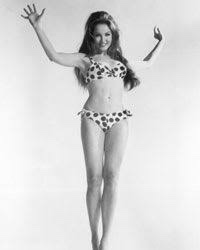
THE BIKNI

Seventy-two years ago this month, on July 5, 1946, French designer Louis Reard unveiled a daring two-piece swimsuit at the Piscine Molitor, a popular swimming pool in Paris. The new fashion, dubbed a “bikini”.In the US, a modest two piece appeared during World War II, when fabric became scarce due to wartime rationing.US Federal law enacted in 1943 required that the same synthetics used for bathing suit production be reserved for the production of parachutes and other frontline necessities. So the thriftier two-piece suit was deemed patriotic. In 1946, Europeans happily greeted the first war-free summer in years and French designers came up with fashions to match the liberated mood of the people. Two French designers, Jacques Heim and the aforementioned Louis Read, developed competing prototypes of the bikini. Heim called this the “atom” and advertised it as “the world’s smallest bathing suit.”

credits:google

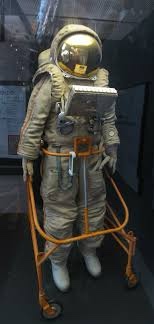
SPACE SUIT

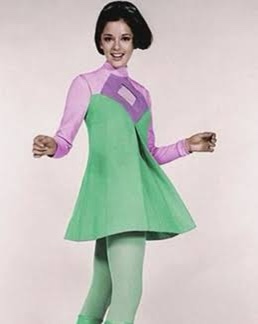
protective clothing of cosmonauts and astronauts inspired fashion designers of the 1960s who were fascinated by the idea of the spacesuit as life-sustaining and protective. They thought that the dangers of modern life could be countered by high-performance clothing that was self-supporting. Also known as astronaut fashion, the encouraged couture designers like Paco Rabanne, Pierre Cardin and Thierry Mugler to center entire collections around an intergalactic vision of the future.

credits: google

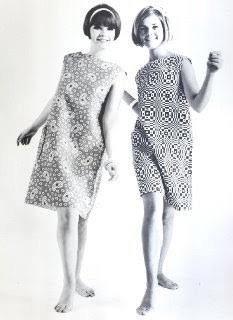
PAPER DRESSES

Fashion in the later 1960s focused on the idea of disposability, leading trend setting throwaway dresses. The military had been toying with the concept of paper clothes for quite awhile as evidenced by this quote in the Chicago Tribune from 1959.Much of tomorrow’s wearing apparel may be made out of treated paper, intended for use a few times, then for discard. The Quartermaster Corps is already investigating the use of such processed paper for parachutes, disposable uniforms, pup tents, and other shelters. It wears well, and its insulating qualities make it usable in all kinds of weather.”

credits: google

SYNTHETIC CLOTHING

Synthetics became synonymous with affordable clothing, and were associated with modernity and youth. The new materials were crease-resistant, machine-washable, and quick drying. Referred to as “wonder fabrics,” they were most often by-products of chemical research undertaken for military, aeronautical, and space purposes. The new synthetics were also thought to be disposable. Rapid obsolescence was a fundamental characteristic of product design in the US in the 1950s, and clothing was no exception. This phenomenon attracted critics like the author Vance Packer, whose book the waste maker was published in 1961. These fabrics were also quite popular in socialist countries.

credits: google

JUMPSUIT

Stretch nylon jumpsuits, PVC boots, and uniform insignia were made popular by television shows like Star Trek (from 1966) and The Avengers (1961-1969). The jumpsuit was unisex, usually made from synthetic materials, and thought to be highly utilitarian. It permitted the body to move freely, so it was perfect for the high kicks and karate moves characteristic of the Emma Peel character in The Avengers. The body stocking and cat suit were closely related

credits: google

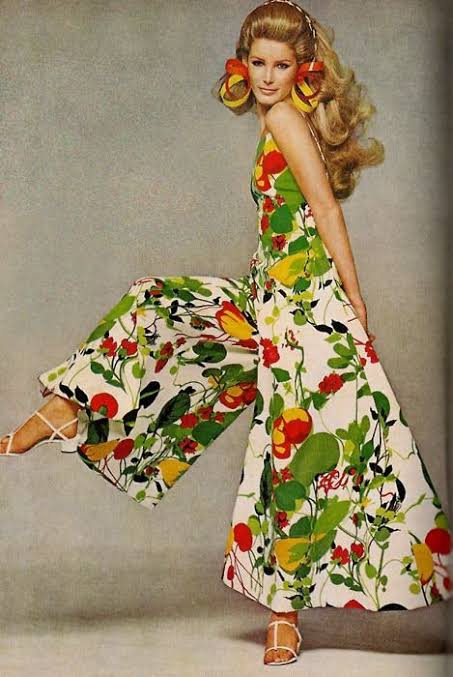
By the end of the 1960s concerns about over-consumption, militarism, and the environment were front and center. Gone was the space age optimism of the mid-1960s. This was now replaced in fashion by references to hippie and protest culture, flower power, and the dress codes of marches and ‘sit-ins.He used some of the fashions of the decade – miniskirts, PVC boots, paper dresses as signifiers of social decline. Along with other contributors, futuristic fashion lost its sheen.

by:mokshita

MILITARY INFLUENCE ON FASHION

From camouflage cargo pants to combat boots, the clothing that is worn by the military is based on practicality and uniformity.over time, military style has provided the fashion industry with unique concepts to rock on the runway.

Here are some classics that are influenced by the military:

Olive-Green Staples

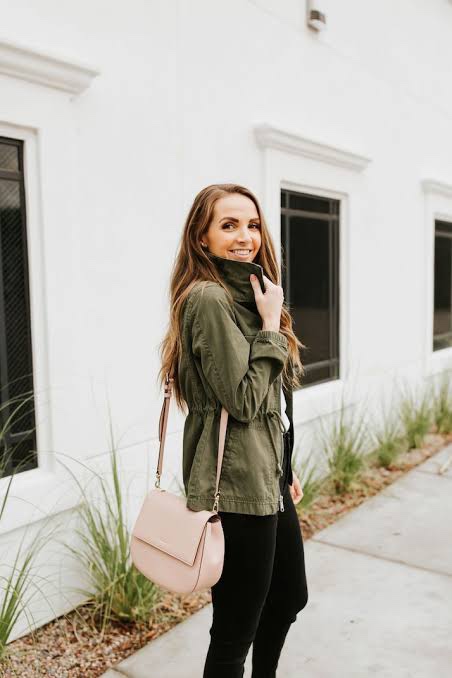
The reason as to why olive-green is such a heavily used hue in the army, it’s really simple! This shade is just another camouflage tactic; olive-green helps to hide soldiers from the enemy’s view and allow them to blend into their surrounding terrain naturally. And today, as a whole, we love olive-green! The shade is flattering on all skin tones and is super versatile, so there’s no reason not to try the trend, The options we have with this color is truly endless. Cute rompers, pant suits, long duster coats, cargo pants, button-up tops, and leggings are just a few items you may want to explore. Olive-green can give off a free-spirited earthy style at an outdoor music festival or a sense of casual, alternative work fashion.

credits: google

Camouflage Print

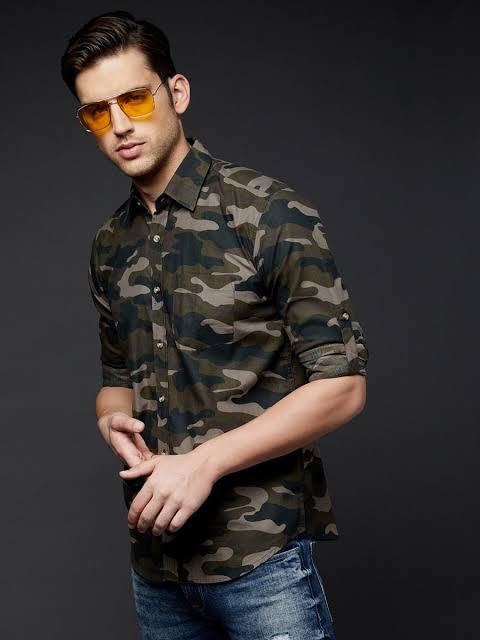
Camouflage was created so that soldiers would blend in with their environments, but in the fashion world, camouflage will make anyone stand out.Camouflage print including all of its variations is one of the most popular military inspired fashion elements. Having developed as a form of “military deception,” the use of camouflage print in fashion and art has been popular since World War I. It’s the print that can add more depth to your outfit and toughen your exterior a bit Camouflage is a pattern that you either love or hate. From leggings and cool tees to jackets and hats, camo-printed fashion makes a rebelliously stylish statement both on the runway and on the big city streets.

credits: google

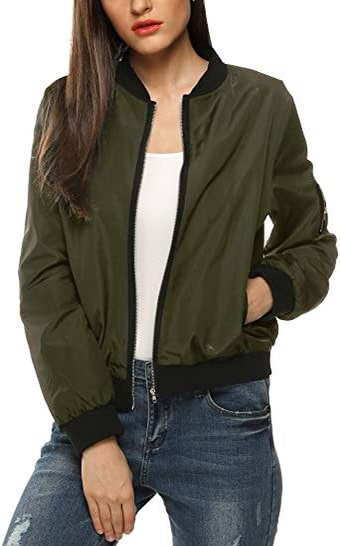
The Bomber Jacket

The bomber jacket now comes in multiple colors and can be worn with tons of outfits. It can accent a minimalist outfit or add an edgy-sporty vibe to the little black dress. Accessories, such as aviator shades, also add to a cool military-inspired outfit. The MA-1 bomber jacket, or “MA-1 flight jacket,” was initially created for military pilots of the U.S. Army in 1950. Worn by both skinheads and celebs this jacket is more popular than ever.such as the B-15 flight jacket with a mouton fur collar. The MA-1 bomber jacket was designed to meet new requirements for pilots. The MA-1 as originally designed, was made from high-quality nylon outer shell and a nylon lining.The redesign included changes for safety, comfort, and performance. And although the MA-1 has been slightly altered over the years, its mass appeal remains undeniable. The design of the MA-1 has continued to be popular in both civilian and military circles due to key practical considerations in its design.

credits: google

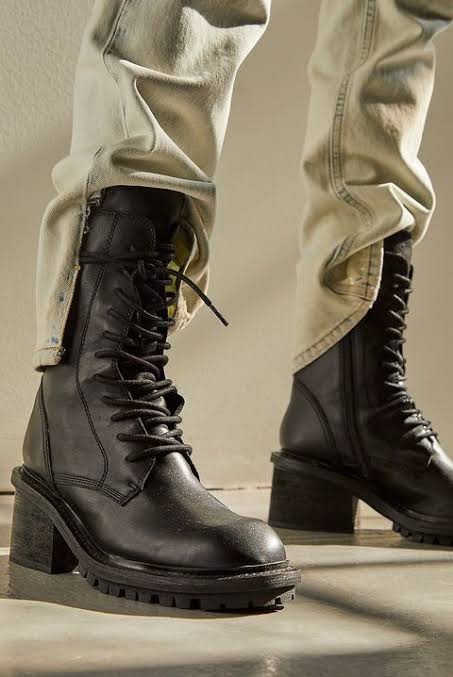
Combat Boots

Modern combat boots are designed to provide a combination of grip, ankle stability, and foot protection suitable for a rugged environment. Today, many combat boots incorporate technologies originating in civilian hiking boots, such as Gore-Tex nylon side panels, which improve ventilation and comfort.Combat boots were, and still are, used by soldiers when combating enemies, but now they are used by civilians to grunge up an outfit or combat the cold. Today, combat boots are commonly worn for style over function in various ways. Combat boots can be worn with dresses as well as denim shorts or over black leggings and fitted jeans, all the while helping to provide a rebellious, more serious touch to any light-hearted look.

credits: google

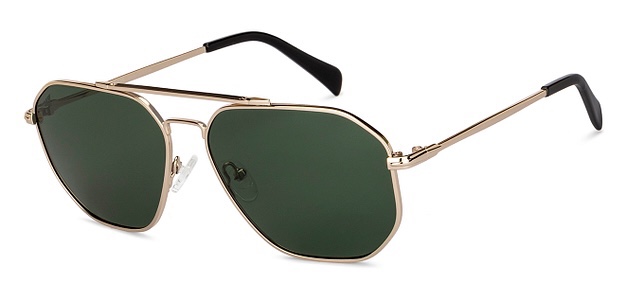
ENTER AVIATORS

Every great outfit needs accessories, and people typically look for a nice pair of sunglasses to top off their look. Enter aviators. These glasses were first worn by Air Force pilots, and they were later popularized by the likes of Tom Ford and his contemporaries. Aviator sunglasses have allowed people to fly high-in style.

credits: google

by:mokshita
INDIAN FASHION WEEK

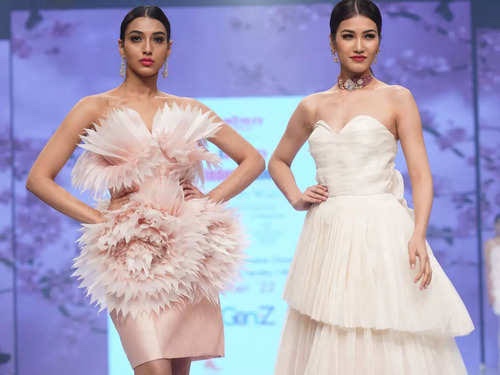
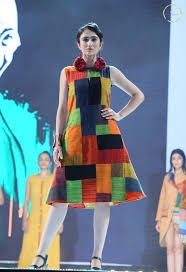
Now in India, the fashion industry is in the limelight and flourishing like never before. Compare to the previous decade, the fashion industry has reached and established its momentous presence in the global fashion market. Indian cities are now emerging to contend with the worldwide fashion hubs like Paris or London or New York etc. With the top major designers of the country showcasing their creativity, aesthetically designed clothes and fashion on the runway have received fame and appreciation for beauty, dazzling style, and appealing fashion over the country.

fashion shows in India

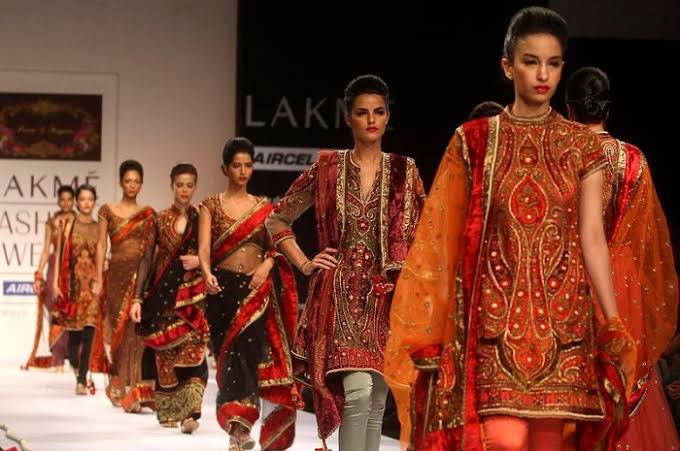
1. Lakmé fashion week

2.Indian bridal fashion week

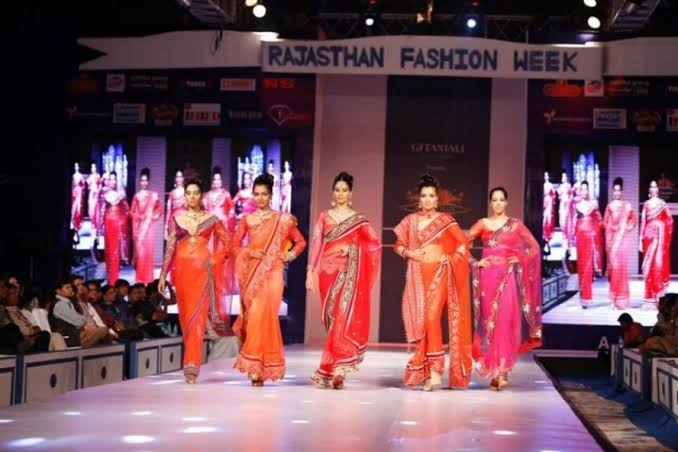
3. Rajasthan fashion week

4. Indore fashion week

5. Hyderabad fashion week

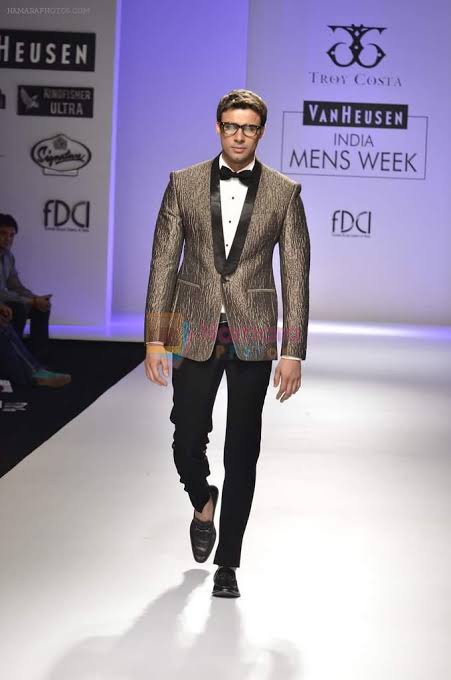
6. van huesen India men’s fashion week

credits: google

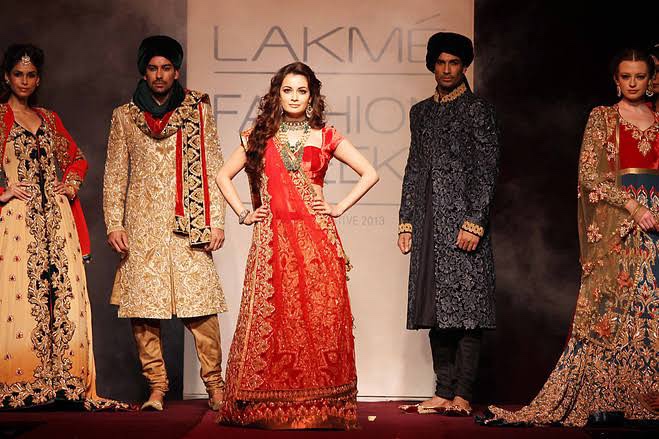
lakme fashion week

In India, Lakme Fashion Week is the pioneer of fashion show establishment. It is a bi-annual fashion event held in Mumbai. Lakme Fashion Week Summer takes place in February. The second fashion event, Lakme Fashion Week Winter Festive show takes place in August. It is sponsored by Lakme and controlled by the Fashion Design Council of India (FDCI). Many international supermodels along with the known Indian film celebrities participate in Lakme Fashion Week.

In India, Lakme Fashion Week has achieved its status and became one of the most high-flying fashion events in the Indian fashion industry. Famous designers like Sabyasachi, Manish Malhotra, Vikram Phadnis, Anamika Khanna etc. show their remarkable collection in the LFW.

credits: google

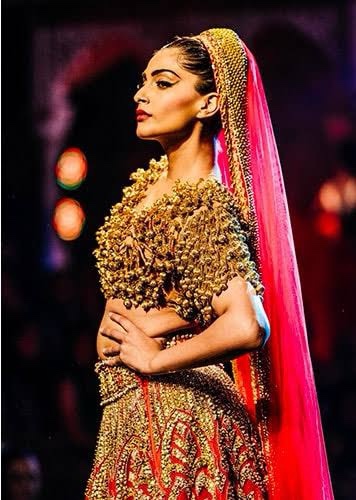
indian bridal fashion week

Indian Bridal Fashion Week is known for presenting the best trends and fashion designs in bridal couture participated in and contributed by top fashion designers. It is one of the famous fashion events which is held twice a year. Bollywood superstars, Heritage brands and fashion trendsetters are all customary participants. The wedding theme has become an intrinsic part of this fashion show.

credits: google

Rajasthan fashion week

Rajasthan Fashion Week is a grand and royal event. It began in 2012 only. It has become famous for showcasing a perfect mix of glamour and contemporary elements. The Rajasthan Fashion Week is a venture of Starlite Entertainment, Mumbai. It displays the work of both new budding designers and fashion top-notch. It aims at preserving the aesthetic values of Indian tradition. Ritu Kumar, Vikram Phadnis, Neeta Lulla etc. are major participants.

credits: google

Indore fashion week

Indore fashion week is sponsored by Blenders Pride. Every year it takes place in Indore. It is controlled by Storm Fashion Company. Major fashion designer like Rocky S, Jatinn Kochhar, Poonam Vora and Sanjana Jon etc. participates in it. Traditional handwork of Madhya Pradesh like Begham and Anarkali Collection are showcased here. It is mainly known for exhibiting bridal trousseau and western.

credits: google

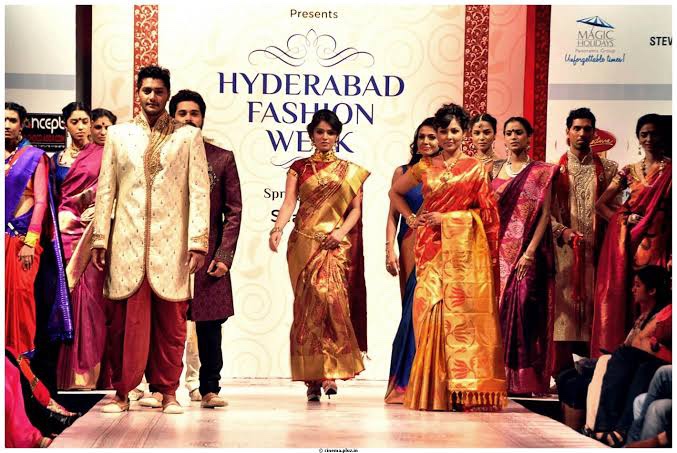
Hyderabad fashion week

Hyderabad Fashion Week is organized and run by the partnership with Marvel Fashion week. It is the invention of SAS Media Pvt. Ltd. Top designer like Neeta Lulla, Sanjeet Anand etc. are major participants in HFW showcasing their alluring fashion design.

credits: google

North India fashion week

North India Fashion Week fashion event is celebrated for exhibiting talent-rich craftsmanship from a range of parts of Northern India counting Delhi, Mumbai, Kolkata and Uttar Pradesh. It focuses on the verticals of retail business, knowledge and consultancy for budding fashion designers.

credits: google

van heusen India men’s week

It is India’s first show exclusively dedicated to exhibiting men’s fashion. Van Heusen India Men’s Week started in 2009. It is sponsored by the chief lifestyle brand, Van Heusen. It is organized by the FDCI with such men oriented fashion runway events, the sales of branded merchandise have enhanced in the country.

credits: google

by: mokshita jaiswal
FASHION IN ANCIENT INDIA

Indian fashion is as ancient as the human civilization with a mix of regional, cultural and historical influences. Our generation is influenced by the world of fashion so much so that it has become as essential as food and water. And mind it, it is not just wearing clothes we are talking about but the ever evolving and changing fashion trends which we love to incorporate into our wardrobes.

Apparel made of materials, for example, creature skins and vegetation was at first utilized by early people to shield their bodies from the components. The utilization of garments and materials over the ages mirrors the changing improvement of civic establishments and advances.History of dress in the Indian subcontinent can be followed to the Indus Valley Civilization or prior. Indians have principally worn dress comprised of locally grown cotton. India was one of the main spots where cotton was developed and utilized even as ahead of schedule as 2500 BCE during the Harappan period.

THE VEDIC ERA

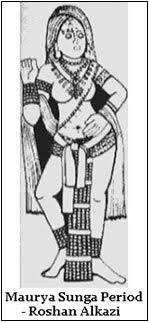
The Vedic time frame was the time length somewhere in the range of 1500 and 500 BCE. During the Vedic era, a single cloth draped around the body, across the shoulder was pinned or fastened with a belt and was considered a comfortable attire for hot weather. Paridhana or vasana was a lower garment which was a cloth draped around the waist with a string or belt called as rasana or mekhala. A shawl-like garment worn over the shoulder was called as uttaiya. Pravara, a third garment was like a cloak mostly worn in cold months. This was a general dressing for both men and women, which only varied in the style of wearing and size. When stitching started during the Vedic period, for women saree was the easiest attire to wear.A blouse or choli was also incorporated to cover the upper part of the body. Ghagra choli and dupatta were also introduced later during the Vedic period. Some of the sculptures revealed the used of cloth on the lower body which was pleated in front and held with the help of a long girdle. The girdle at time appeared to the end of the cloth, this might have been a trailblazer to the modern saree. Vedic men were also known to wear dhotis which draped around the waist and separated with pleats. No upper garments were worn by men during the Vedic era.
credits: google

THE MAURYAN TRADITION

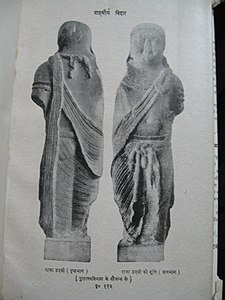
In the Mauryan tradition (322–185 BC) the most punctual proof of sewed female attire is accessible from the sculpture of Mother Goddess(from Mathura, third century BCE). Women in the Mauryan Empire regularly wore a weaved texture belt with drum headed bunches at the finishes. As an upper piece of clothing, individuals’ principle attire was uttariya, a long scarf. The distinction existed uniquely in the way of wearing. Now and again, its one end is tossed more than one shoulder and once in a while it is hung over both the shoulders.

In materials, for the most part cotton, silk, cloth, fleece, muslin, and so on are utilized as filaments with trimmings hooked on to an exceptional spot. A portion of the adornments had their particular names too. Satlari, chaulari, paklari were a portion of the accessories.

credits: google

THE ROYALTY OF KINGS

When we look back at the glorious centuries of kings and queens, flashes visions of beautiful palaces and forts, fine arts and music, lavish food and of course extraordinary clothing and fashion. India has seen many dynasties and rulers and every kingdom, be it Mughals, Marathas, Scindia dynasty or Rajputana rulers, brought a distinct quality and influence to ancient Indian fashion.

The royals of udaipur

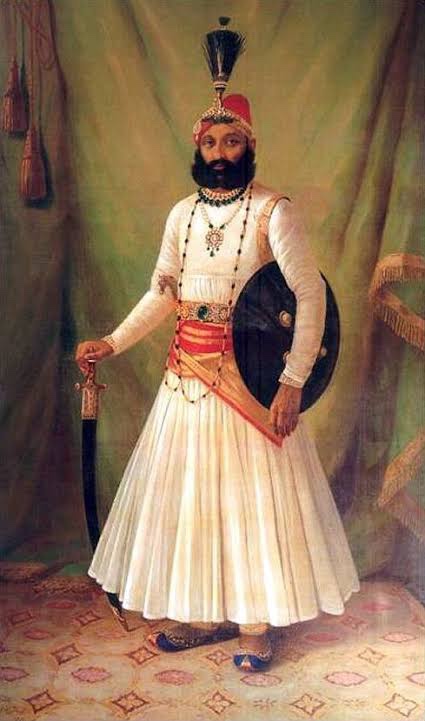
kings of Udaipur belong to Mewar dynasty. Udaipur, the beautiful city of lakes is a home to many royal families and rich legacy. The splendor of Udaipur Maharanas is depicted by the Rajasthani royal paintings. One of the essential accessory to showcase their royalty is a parasol or chattri called Kirnia. Maharanas of Udaipur style of dressing over a period of time got influenced by European dressing; they wear bandh galas with western style jewelry. The occasional dressing of former Maharanas included a traditional royal garment which included a turban or pagdi with a long sarpech embellished tail, long and flowy achkans with churidar pants and a sash across the body and a belt or a kamar bandh around the waist. A sheathed sword is another important element of their grandeur dressing which symbolizes power and patriotism. Maharanas have a profound love for fine jewels and have exquisite pieces in their heritage collection designed by French jewelers. The royal rides like elephants horses are also decorated with clothing embellished with gemstones.

credits: google

NIZAM OF HYDERABAD

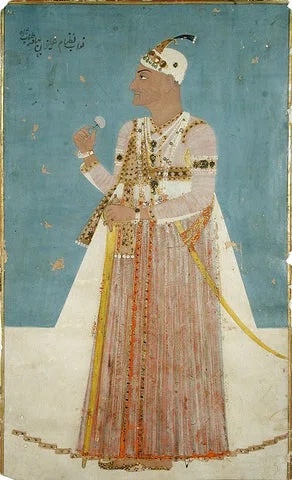
Nizams were hugely fond of fine arts, culture, and literature. Nizam jewelry is world famous and one of a kind and Nizams loved to flaunt them with pride. Fine jewelry adorned with pearls and exquisite gemstones is one of the signature designs of Nizam jewelry. The Nizams wore sherwani with a turban embellished with a sarpech. Nizam jewelry has a huge influence on indian ethenjc jewellery ,wedding jewellery specially made with precious gemstones and pearls is inspired by Nizam.

credits: google

MAHARAJA OF TRAVANCORE

One of the modest royal families to rule a region of India is the royal family of Travancore. The Maharajas of Travancore lived a life which was nothing close to being lavish and opulent kinds. They have devoted their lives to the welfare of people and spend very less on themselves from the state’s resources. The simplicity was depicted in their simple style of dressing. The queens used to wear Mundu sarees similar to the Kasavu sarees of Kerala in cream or white color with gold detailing.

THE MUGHAL TRADITION

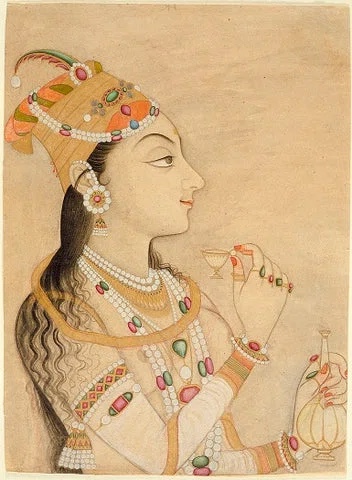
Mughals have left a strong impression on craftsmanship in India. Their fine artistry and workmanship is absolutely unparalleled. Be it clothing or architecture their taste for every magnificent is easily reflected by the finery of designs. Attires created from luxurious silk, velvet, brocade and muslin and elaborate designs and embroideries were  the distinct characteristics of the Mughal fashion. Men wore exquisite design short and long robes or coats which included long-sleeved clothing called chogha. Pagri on the head, a patka or sash at the waist, pyjama style pants were trademarks of men’s fashion.  Their turbans were usually adorned with fine jewels or precious stones like diamonds, pearls and rubies.

Women, on the other hand, wore a traditional dress of Persia and Khurasan due to Purdah system. In the court of Humayun and Babar, most noble women wore loose wide pants. The upper body garment was loose which was fastened with a V neckline. When Rajput princess entered the Mughal kingdom, the influence of Hindu clothing could be seen in the court. Usually the clothing was changed often in the zenana during a day and was worn only once and then given away. Garments were made from thin cloth almost transparent with a gold lace. Turbans made with gold cloth and a feather covered the head. Kashmiri shawls were popularly used in the cold season. Bejeweled and patterned shoes with curly pointy tip were also worn by women.

credits: google

Our choices are and will continue to get influenced by what is in and what is out but we can proudly say India has the most colorful and vibrant spectrum of fashion which is evergreen!

by-mokshita jaiswal

FASHION’S BIG RESET

The year 2020 was one of the toughest year in history for every industry.The fashion industry was also affected by declining sales,intrupted supply chain across the world.

Countries are new beginning to reopen their shop and companies and returning to work. But fashion will not and shoud not return to what it was the change in behaviour and prefrences of customer will lead to permanent changes .

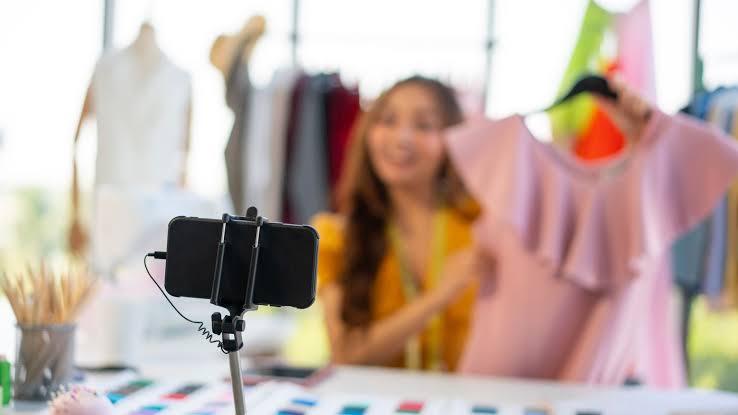
The first lockdown regulation had a big impact on the fashion industry with many people staying at home and many brands have to close their stores. In india there is decline of 24%of net sales in the full year (1 dec 2019-30 nov 2020) compared with 20% decline in the net sales globally. The pandemic forced most industries and communities to go virtual, and shopping habits have been no exception. Whether for convenience or personal safety, online shopping is here to stay. Over 60% of people report that they will purchase clothing online more post-lockdown. Moreover, nearly 33% have purchased clothing seen on social media during the last year of lockdown. The crisis had been impact on brands but even more on the supply chain.

credits: google

IMPACT

• Closure of many leading brands retail: Many retailers have to shut their doors because of government guidelines. As a result, the stocks are stocking up and have become a costly asset.

• Cancellation of fashion show: Many retailers have to shut their doors because of government guidelines. As a result, the stocks are stocking up and have become a costly asset.

• Unemployment: Many people faced unemployment because of the shutting down of industries, and retailers. As a result, many employees got suspended from their work. Many people are employed in the garment industry. A sudden breakdown in the field has brought up the level of unemployment.

• Online shopping: Many leading designers have adopted this method of showcasing their designs and built a market there.

credits:google

This shows the effects of corona on fashion that were predicted in the fashion industry. The sales have declined as people are avoiding going out and gathering.The concept of shifting to digitization has emerged in the companies so that at least the business will keep moving. This process is helping the companies to accelerate their module and remain competitive. The effect of the COVID-19 pandemic has significant effects on demand and the supply chain. Many brands have either canceled their order or have issued a waiting period.

by: mokshita

RETRO BELLA

Fashion is extremely unpredictable, trend come and go but they never die. Have you ever worn a pair of jeans that make your mother say, I used to wear the same outfit as you when I was a kid”? Then you’re dressed in retro fashion.If you’re a fan of F.R.I.E.N.D.S., you’ll surely recognize some of the clothes that are back in style.It’s a never-ending cycle. It’s a retro fashion.

SCARVES:

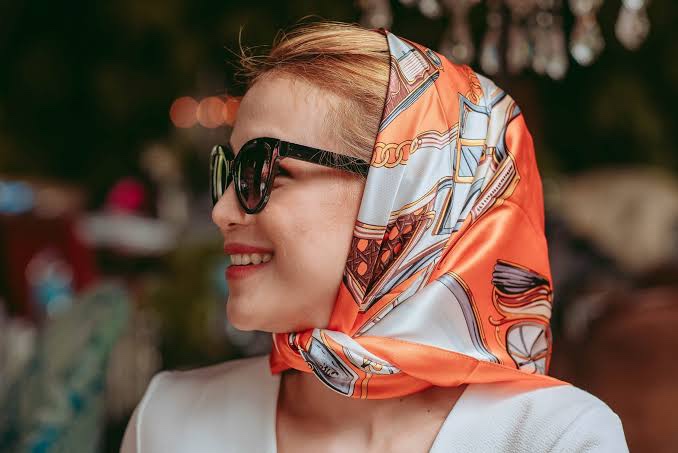
Scarves are one of the most popular 21st-century Retro fashion trends, with options ranging from tops to bralettes to basic hair accessories. The return of the style, which was mostly used as a hair accessory in the 1950s, has allowed individuals to be more creative with new methods of creating a scarf.

MOM JEANS:

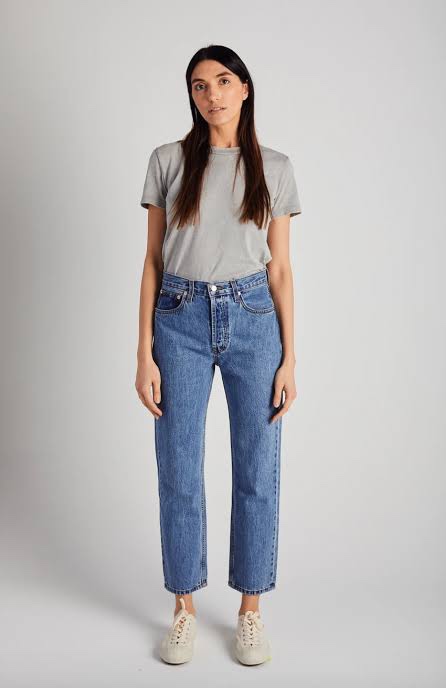
Mom jeans, which were popular in the 1990s, have become an essential element of our wardrobe. You can finally say goodbye to your slim jeans and switch into these comfy, roomy, high-waist pants, which are perfect for summer. There are hundreds of ways to play with these pants, from wearing them with sweaters to tucking in shirts to decorating them with belts.

PUFFED SLEEVES

Puffed sleeves are a 21st century Retro fashion trend that we can’t get enough of In year 2018, the 80s theme made a comeback in the book. Puffed sleeves come in a variety of designs, from dresses to tops to blouses.

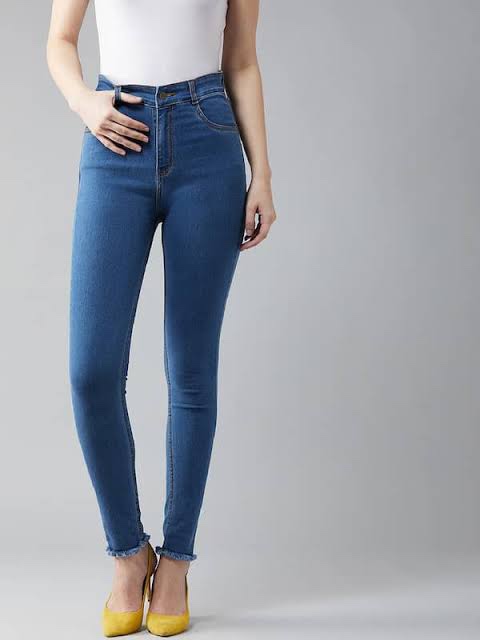
HIGH WAIST JEANS

If you’re Friends’ fan, then you must have a soft spot for high-waist jeans and they’ve come back in a big way! You can team the up with shirts to make it or casual or tuck in your favourite top.

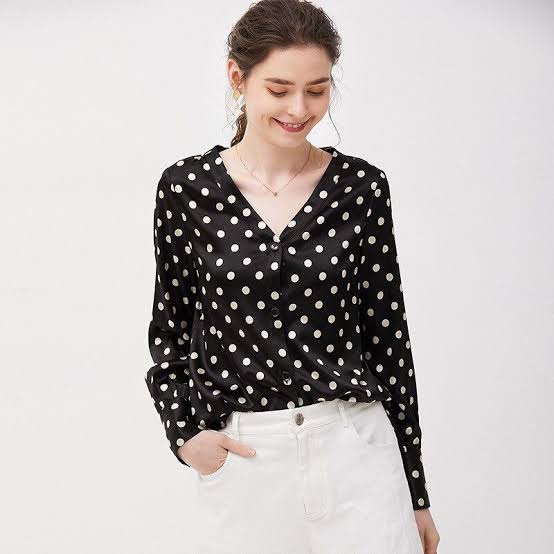
POLKA DOTS

Polka dots are totally worth the buy, especially the smaller prints. I usually go for really sober colours, but you can be a lot more playful and try out variations on crop tops or dresses.

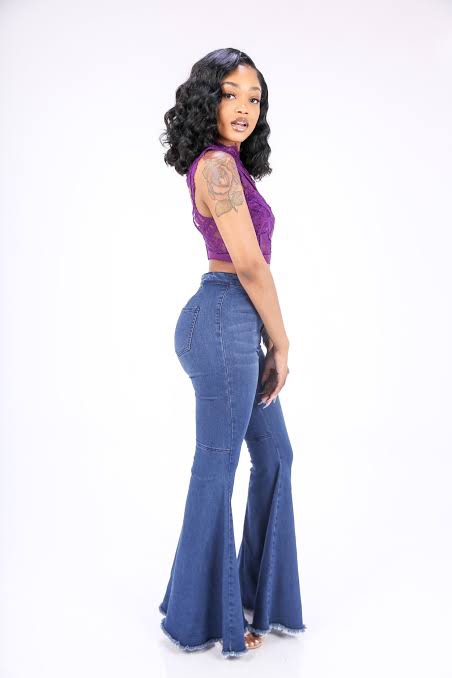
BELL BOTTOM

These pants were introduced in the 1960s and 1970s. They were originally created for workers who worked on boats since the 17th century. Bell bottom has come back with high demand among young girls, which is not only worn in festivals or on special days but also in day to day lifestyle. These pants mostly come in denim looks but can also be seen in different colours, which give a beautiful retro look with high heels and dotted shirts.

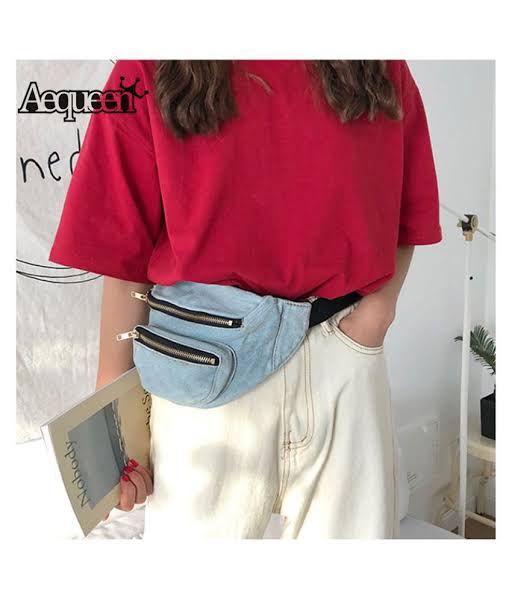
BUM BAGS

These bags are easy to wear around the waist or on one shoulder to carry small valuable things in it like mobile phones, cards, cash etc. They are mostly liked by youth nowadays but originally introduced in 1962, whose credit goes to Australian Melba Stone. They became famous in the 80s and 90s but fell out of fashion in 2000.

THE HISTORY OF FASHION

sometimes i get wondered from where did the fashion starts and how? so let’s go the history of fashion.

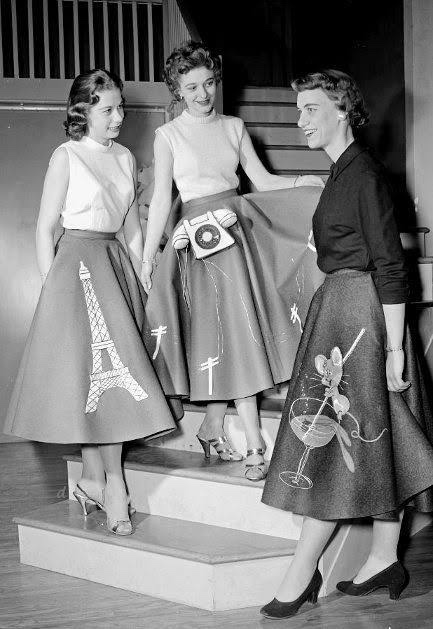
fashion in 1950s ( retro beauty)

this retro decade’s fashion exploded in term of fabrics. the early 50s were devoted to poddle skirt and white blouse with oxford shoes.In this era women prefers to look young and innocent with ribbon tied in their curly ponytails. poddle skirt was designed by christina dior. cardigan sweaters varsity jacket were in trend. swing skirt on dresses were most popular for the housewife.

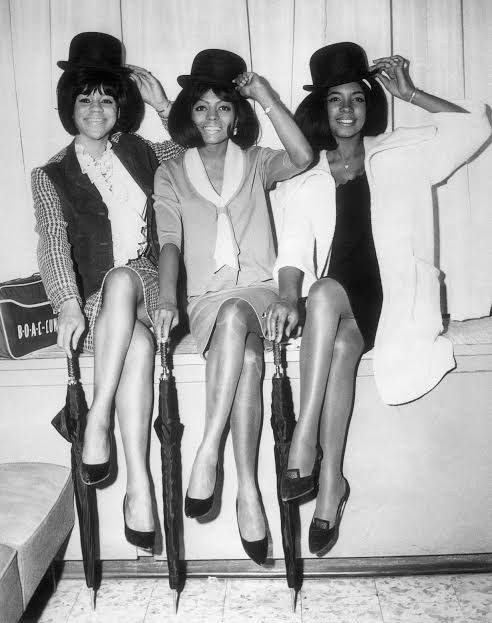
fashion in 1960s ( a fashion revolution)

the revolution of fashion in 1960 changed the style completely. most popular clothing item was bell bottom.it became perfectly normal and acceptable for women to wear jeans on daily basis. Women love to wear flat shoes and dark eye makeup.Then, little shops called boutiques opened, and began selling cheap and colorful clothing to teens and younger women. The stores also sold fun items like leather knee-high boots, miniskirts, and fake eyelashes. Girls demand for more fashionable clothing for younger women.

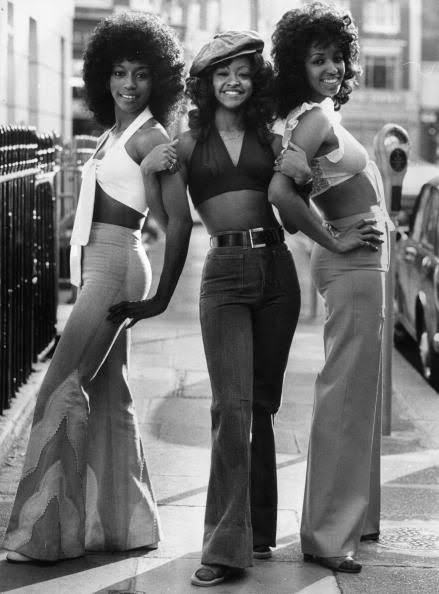
fashion in 1970s ( the funky style)

fashion in 1970s went through an experimental phase after the bright colours style clothing from the 60s.In early 70s staright and flared line dresses with belled sleeves were the dress for occassion. another 70s style included bell bottom jeans which can still be found on store . another trendy style is shorts and tucked in blouse with silk scarves , wodden heels and chunky jewelry.

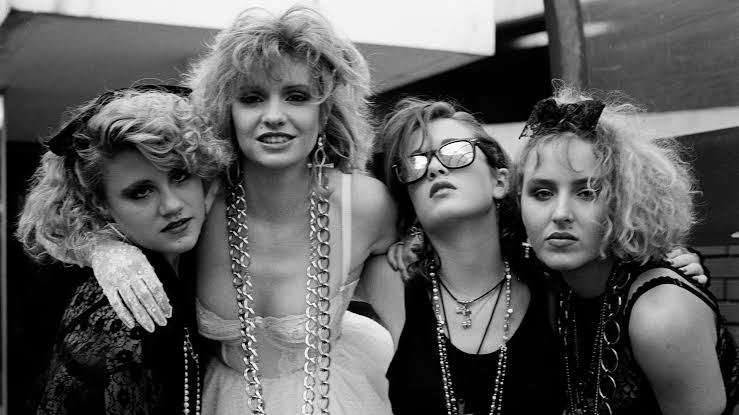
fashion in 1980s ( the edge of fashion)

of all the decades in the past century 80s fashion is remembered with the most outrageous style.long hair ,heavy makeup , heavy metal jewelry, bright colours are trademark style of 80s fashion. women wore expensive business suits to work. one of the most influential trend from 80s that has still in trend is legging. today legging are worn with tops and a shirt where as in 80s it was common for women to wear legging with crop top. another popular style was off shoulder top.

fashion in 1990-2000s ( fashion goes modern)

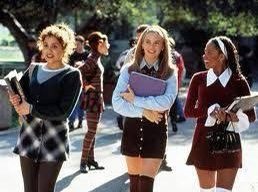
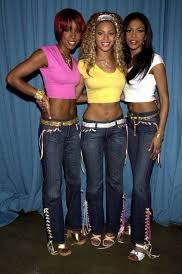
The end of the century’s fashion is as opposite as it get to the fashion in the beginning of the century but the concept is same The rising world of hip-hop also became a big influence in ‘90s fashion, inspiring baggier fitting pants for women as well as for men. Preppy clothing came into fashion by designer Tommy Hilfiger Sweater vests, turtlenecks, blouses, khakis, and palette of pink, green, and white filled closets across the country. Belly shirts for teens came into the limelight, with hems rising on skirts. 90s was a time in which the nation grew more independent and different categories of style emerged.

2000s is described as a mashup decade. The decade did not have one or two particular styles like but multiple of fashion styles that included recycling fads from past decades, and calling it vintage . The styles of the 2000s are described as new versions of earlier fashions on the basics to create new styles that were inspired by the Designer clothing and accessories. just as they had been in 1920 with Coco Chanel Fashions revive and renew over the decades.

fashion in 2010

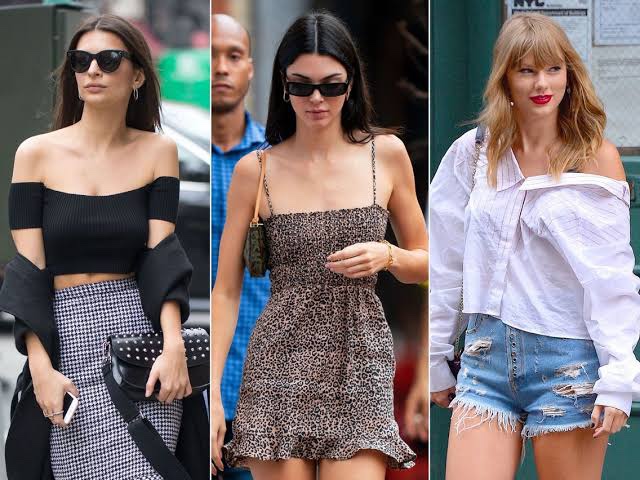
Black boots, leather jackets, denim vests, bombers, monochromatic sports jerseys, waxed jeans, black varsity jackets, tapered sweatpants, drop-crotch trousers, layering shorts over leggings, and floral print are all popular trends in this style.

fashion in 2020

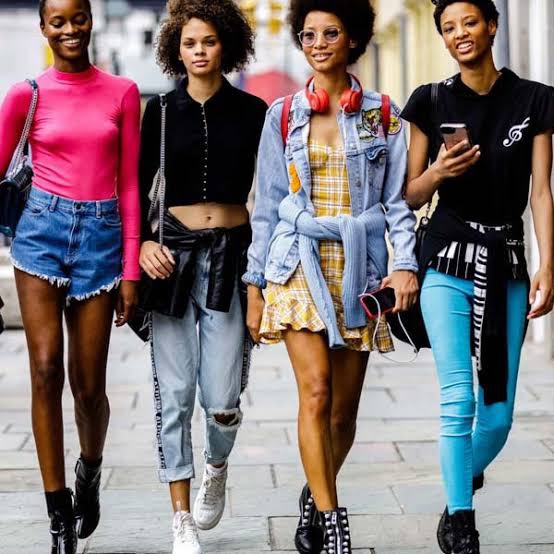
Tube tops, oversized tops, biker shorts, and designer bags. Crop shirts, mini skirts, cardigans, jordans, hoodies, leather, mini dresses, tube tops, oversized tops, biker shorts, and designer bags. Fashion trends are infinite, innovative, and people use them to express themselves and who they are.

Design a site like this with WordPress.com
Get started